
By 2026, education will continue to rapidly change, becoming more and more personalized to meet individual student needs. The term “personalized learning” means the customization of the learning process according to particular student strengths, needs, interests, and pace. Several technologies are already utilized for the purpose. Among them, artificial intelligence and machine learning are quite popular now.
Today, personalized learning platforms are gaining popularity due to the numerous benefits they bring. The statistics prove a huge growth rate in the usage of edtech. For instance, the global personalized learning market is expected to reach a value of more than $30 billion by 2027. Notably, these platforms use advanced tech solutions such as adaptive and machine learning to provide students with unique learning paths.
Benefits of Personalized Learning Platforms
Personalized learning recognizes that each student is unique. Many aspects affect the educational process, such as students’ prior knowledge, pace of studying, preferred learning modality (e.g., visual, auditory), interests and so forth. However, it is difficult to provide for the individual needs of each student in a large class. Therefore, personalized learning platforms come to solve this issue.
First of all, personalized learning platforms enable the identification of students’ weaknesses and strengths and, therefore, the development of personalized instruction aimed at overcoming the former and developing the latter. Moreover, personalized learning may help to develop students’ interest in studying, making this process more effective and fun.
Secondly, besides academic progress, personalized learning can boost student confidence. By receiving instant feedback, mastering skills, solving complicated tasks, and seeing their own improvement, a student develops the feeling of pride and self-confidence. In addition, the ability to choose a path to achieve educational goals can also encourage the student to study more diligently.
Thirdly, for educators, personalized learning platforms are great resources that offer a variety of ways to monitor the progress of individual students and all students together. These tools may help to reveal gaps in the curriculum that require filling. In addition, educators can spend less time grading assignments and preparing lectures and focus on the development of each learner individually.
As one can see, personalized learning platforms may be really helpful for students in many ways. This is why this year, they should pay extra attention to choosing the best ones to use. Therefore, this article describes the 15 most popular personalized learning platforms. Whether you are looking for a platform to supplement classroom learning, provide homeschooling resources, or support students with specific learning challenges, this guide aims to provide a comprehensive overview to help you make informed decisions.
Understanding the Core Principles of Personalized Learning Platforms
Jumping straight into tools misses a key point – what actually makes tailored learning work. Behind strong education tech lies a set of ideas shaping how things are built. These ideas shape what features matter most. Good systems follow them without showing off. Design grows from understanding needs first. Function comes before flash every time. Clarity beats complexity when done right. Tools reflect thinking more than trends. What works sticks around quietly. Success hides in small details often ignored at the start. Learning fits better when built on steady ground like this.
1. Adaptive Learning Paths
Right where it counts, many personal learning systems lean on adaptive methods. Content shifts on its own, changing depth as learners show what they know. Got answers right? The next piece steps up the complexity. Wrong turns lead elsewhere – down to clearer breakdowns, easier drills, or core ideas revisited. Kept in that sweet spot, never bored, never lost. Balance shapes progress, quietly guiding each step forward. One study shows these systems often work better than usual classroom teaching. Results from a review in the Journal of Educational Psychology showed gains between half and one full standard deviation in how well students did.
2. Data-Driven Insights
Learning paths built just for one person gather loads of details about how someone tries tasks, moves forward, or gets stuck. When those pieces are looked at closely, useful clues come out – clues that help learners and teachers alike. Seeing their path unfold helps people notice gaps, decide what deserves more time, and recognize steps taken well so far. Teachers get summaries showing who struggles alone, what many miss together, and spots where lessons could shift slightly to work better. Using facts like these brings clearer sight into how each learner actually grows over time.
3. Variety of Content Types and Forms
Most learners take things in differently, so strong personal learning tools mix how they show material. Ways might shift between clickable clips, live mock-ups, quizzes that feel like games, written guides, sound parts, or tasks you do yourself. Information comes alive when it moves across styles, fitting each person’s way of focusing while linking ideas in fresh setups.
4. Feedback that is direct and focused
Right away, these systems show what went wrong when someone answers incorrectly. Because they spot errors fast, learners find out exactly where things broke down. A clear reason follows each correction – no delay like turning in homework and sitting back until next week. Instead of guessing, students get precise hints that fit their mix-up. That kind of response clicks better because it lands while the thought is still fresh. Most importantly, help comes only for what was actually misunderstood.
5. Student Voice and Options
Even when following the platform’s path, learners sometimes pick what interests them in a topic. One after another, choices appear – a sequence of lessons, kinds of exercises, moments to review. Because of these small freedoms, the study feels less like an assignment, more like a personal pursuit. Energy shifts. Attention sticks around longer.
Top 15 Personalized Learning Platforms for Students in 2026
Now, let’s explore some of the leading personalized learning platforms that are making a difference in education this year.
1. AI Faculty
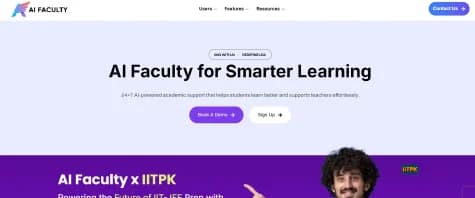
One step ahead, AI Faculty uses artificial intelligence to shape education for learners, educators, families, and schools. Built around a smart thinking engine, it spots what each student knows well or struggles with – right when they need help. Instant answers pop up at any hour, thanks to continuous conversation support tied to individual needs. Instead of fixed lessons, paths shift naturally as progress unfolds, keeping pace with how fast someone learns. Dashboards change depending on who logs in, offering tailored views in many languages. Behind the scenes, more than a million minutes of dialogue get processed automatically. Half a million learning moments feed into smarter outcomes every day. Schools using this system include big names like Microsoft. By 2026, its deep adaptation ability sets it apart from others doing similar work.
2. Khan Academy
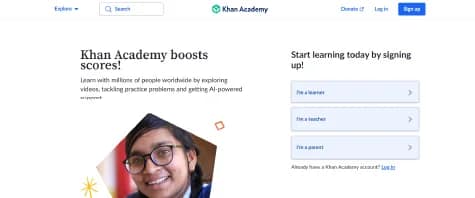
Still standing strong, Khan Academy delivers top-quality lessons without cost to learners everywhere. With video guides alongside hands-on activities, it builds a unique study path shaped by each user’s speed and needs. Not stuck to one spot, people use it both inside schools and during solo time at home. From tiny kids just starting up through their first years in college, the material spans topics like numbers, nature studies, creative work, and human history. Instead of rushing ahead, users must show they understand something well before stepping forward. Smart tasks adjust on their own while clear updates reveal how far someone has come. Many turn here when brushing up on old ideas or diving into fresh areas, which feels necessary.
3. IXL Learning
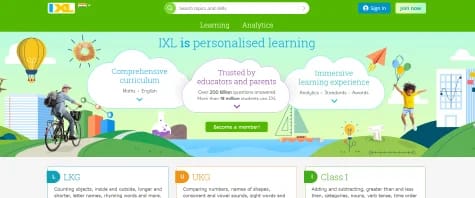
One thing about IXL: it covers subjects from kindergarten through twelfth grade, including math, reading, science, history, and Spanish. Not just static quizzes – each question shifts in challenge level depending on how well a student does, thanks to the SmartScore feature. Wrong answer? No problem – help appears right away, showing exactly where things went off track. Teachers watch growth closely using clear reports, while parents stay informed about what skills need more time. Practice never runs thin here; thousands of problems keep learners busy without repeating too much. Getting good at something matters more than rushing ahead, so the program sticks with topics until confidence builds.
4. DreamBox Learning
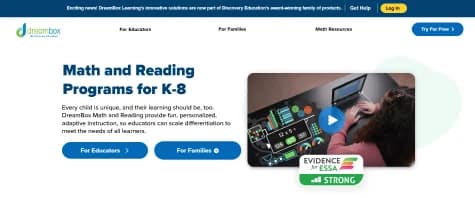
A favorite among teachers, DreamBox Learning shapes math lessons for kids in grades K through 8. Because it adapts as children work, every learner follows a different route. As pupils respond, the system reads their level – then shifts difficulty and speed to match. Instead of just memorizing steps, they explore ideas, build skills, and tackle problems that stretch thinking. Since lessons feel like play, curiosity sticks around longer. After effort comes satisfaction – not rewards.
5. Knewton (Wiley)
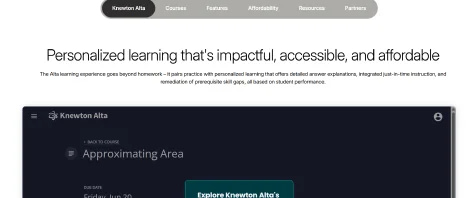
Once known as Knewton, the tool now lives under Wiley’s umbrella, shaping how learners engage with material in tailored ways. Student results steer the system – not guesswork – so lessons shift based on real responses. Though it slips quietly into existing platforms and textbooks, its role stays central: spotting weak spots before they grow larger. When a gap shows up, guidance follows fast, shaped just for that moment. Efficiency rises because effort lands only where needed most. Behind each step, smart logic maps progress without fanfare or clutter. Learning moves forward not by chance but through constant quiet adjustments.
6. Savvas Realize
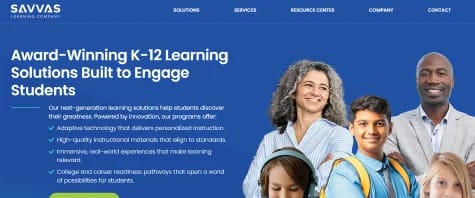
One way to look at Pearson Realize is as a digital space where school subjects come alive for kids in grades kindergarten through twelve. Instead of just textbooks, it brings together tools like videos, quizzes, and practice tasks tailored to how each learner moves forward. A teacher might set one group on a science path while another explores reading skills, depending on who needs what. With live updates showing how students are doing, support can shift quickly when someone struggles. Engagement grows because the work feels personal, not one-size-fits-all. Learning here adjusts quietly behind the scenes, matching pace and style without making noise about it.
7. McGraw Hill ALEKS –
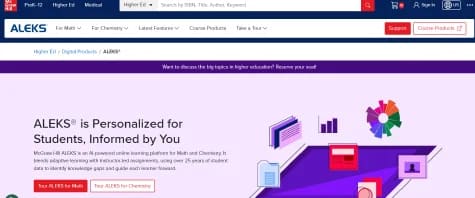
A computer system named ALEKS helps people study math and chemistry through smart quizzes. Because it watches how students answer, it learns where their weak spots sit. When one idea ends, another begins – only when readiness shows. Instead of guessing what comes next, the program chooses topics based on clear signs of preparedness. Understanding grows step by step, like stacking blocks without skipping layers. Where others miss cracks, this tool sees them clearly.
8. Quizlet
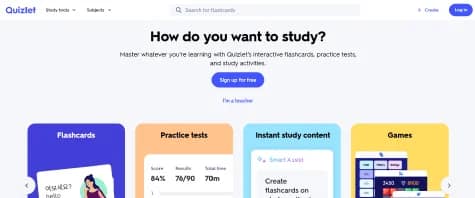
Flashcards on Quizlet? They’re made by users, not just handed down from above. Different ways to study pop up depending on what feels right that day. One moment you’re matching terms, next you’re racing through questions fast. It doesn’t adjust itself like some smart system watching your every move. Still, picking your own path through the words helps things stick better. Practice happens in bursts – written quizzes, oral repeats, quick games. Other learners might have built something close to what you need already. Sharing those sets opens doors without asking permission first. From science terms to foreign verbs, the format stays familiar throughout. Memory work becomes lighter when choices feel real instead of forced.
9. Brainly
Around midnight, someone might log into Brainly just to figure out a tough math problem. Questions pop up from students stuck on assignments, then others jump in with replies. Because it runs on user contributions, each answer comes shaped by real experience. When one person asks, several may respond, offering different ways to reach the solution. Help shows up fast, especially when deadlines loom. Instead of waiting for teachers, learners turn here first. What makes it work? The flow between those who know and those figuring it out. Every explanation links back to what was actually asked. Late-night study sessions often include this kind of backup. Guidance appears not through algorithms but through shared effort.
10. Smart Sparrow

Because it simplifies complex design tasks, Smart Sparrow helps teachers shape lessons that adjust based on how students respond. Built for real classroom needs, its tools support dynamic activities where choices guide what appears next. Instead of requiring programming skills, the system uses visual workflows so educators can craft branching scenarios easily. Through tailored responses and immediate feedback loops, learning becomes more responsive. Many universities adopt this approach when designing digital coursework meant to evolve mid-session.
11. Amplify Education
Start here. Kids learn better when lessons stick. That idea drives what happens at Amplify Education. These tools shape classroom time across grades kindergarten through twelve. Reading and numbers get special attention. Not guesswork – studies back each program they offer. A platform wakes up to how students respond. Adjusts without being told. Learning bends to fit the child, not the crowd. Teachers gain clear ways to track progress. One size never fits all, so their system refuses it, too. Support flows where needed most. Insight guides teaching moves. Real results grow from consistent clarity.
12. Curriculum Associates i-Ready
Starting strong, i-Ready helps kids from kindergarten through 12th grade grow stronger in reading and math using custom-fit digital tools. Instead of one-size-fits-all lessons, it begins by testing each student’s skills to pinpoint where they need support. As learners work through tasks, the system shifts gears on its own – tweaking challenge levels moment by moment based on performance. Because it adapts so closely, pupils stay engaged without getting stuck or bored. Behind the scenes, educators gain access to clear snapshots of how every child is advancing over time. That kind of insight makes shaping future lessons more precise than guessing.
13. Century Tech
Century Tech is an AI-powered platform that creates personalized learning pathways for students across various subjects. It uses AI to identify learning gaps and misconceptions, then provides targeted micro-lessons and resources to address them. Century Tech’s adaptive algorithms are designed to be highly effective in pinpointing exactly what a student needs to learn next, making study time more efficient. It also offers comprehensive analytics for educators.
14. Coursera for Campus
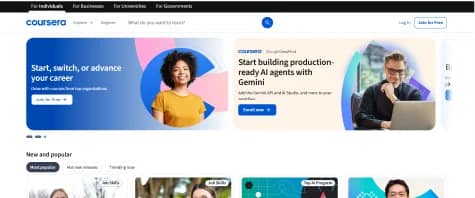
Coursera for Campus partners with universities and institutions to provide access to a vast library of high-quality courses, often developed by leading universities and companies worldwide. While students can enroll in individual courses, the platform is increasingly being used to create blended learning experiences and personalized academic pathways within institutions. It offers a wide range of subjects and specializations, catering to diverse interests and career goals.
15. Edmodo
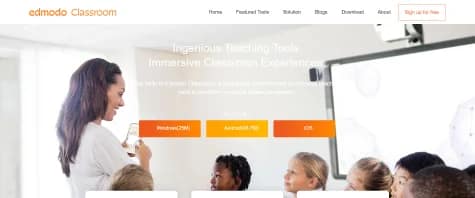
Edmodo is a learning management system (LMS) that aims to connect students, teachers, and parents. It provides tools for classroom communication, assignment submission, and resource sharing. While it offers features that can support personalized learning, such as differentiated assignments, its primary strength lies in its ability to create a connected and collaborative learning environment. Teachers can use Edmodo to distribute personalized content and track student progress within their classroom.
The Future of Personalized Learning
Out of nowhere, education begins adapting to individual needs – not because it must, but because tools now allow it. Behind this change? Quiet progress in artificial intelligence is shaping how students interact with material. Slowly, systems learn patterns, spotting hesitation before mistakes happen. Imagine software that shifts on its own, matching mood, pace, and even attention span without prompting. What feels like intuition comes from data tracing choices over time. Instead of fixed paths, lessons twist and adjust, almost like conversations. Surprise lies not in flashy features, but in timing – knowing when to challenge, when to pause.
Picture peeling apart a digital frog, feeling each cut thanks to touch-sensitive gear. These tools could reshape how students dive into lessons, blending VR and AR right into daily classroom tech. Walk among the ruins of ancient Rome, superimposed on paper pages during study time. Learning shifts when visuals pop out of flat textbooks and become something you move through.
One thing is clear: teaching won’t stay the same. Not limited to passing out facts anymore, instructors will shift toward coaching, nudging, helping – shaping minds with insights pulled from adaptive learning tools. Side by side, people who teach and smart systems could unlock what each learner is actually capable of.
One step at a time, schools in 2026 shape lessons around each learner because real progress means meeting students where they are. Instead of one-size-fits-all teaching, new tools help make school fairer while also lifting outcomes across the board. Through these changes, education becomes less about memorizing facts, more about sparking questions, growing self-belief, and giving everyone what they need to move forward.
FAQs
1. What are the main benefits of AI in education?
AI can help teachers by giving them customized teaching, grabbing the students’ attention by providing them with quick responses, decreasing their workload, supporting students from the earliest stage, making the learning environment more accessible, and helping schools to make wiser decisions based on data.
2. How does AI in education help students specifically?
AI tailors learning experience to each student’s pace, offering round-the-clock tutoring, instant feedback, increasing motivation through gamification, and accommodating different learning needs.
3. What are the leading AI tools in education for teachers?
The main tools used are Gradescope for marking, Khanmigo for instruction, Turnitin for ethics, DreamBox for arithmetic, and ChatGPT Edu for generating educational material.
4. What is AI Faculty, and how can it be useful?
AI Faculty are smart digital teaching assistants that answer student queries, grade assignments, conduct virtual office hours, and deliver course content at scale.
5. Are there any concerns about using AI in education?
Data privacy, uneven technology accessibility, the potential for cheating, and a lack of proper teacher training are major concerns that can be addressed if suitable policies are in place.
6. Will AI replace teachers in the future?
Not at all. In fact, AI is used for performing deceptively simple tasks like grading and paperwork, which result in teachers having more time to engage in building relationships, guiding students, and sparking creativity. These are, after all, the things that cannot be imitated by an algorithm.
Get Started with AIFaculty Today.
Pick the tools that best suits your business requirement. Level up your marketing and drive desired outcomes.


